
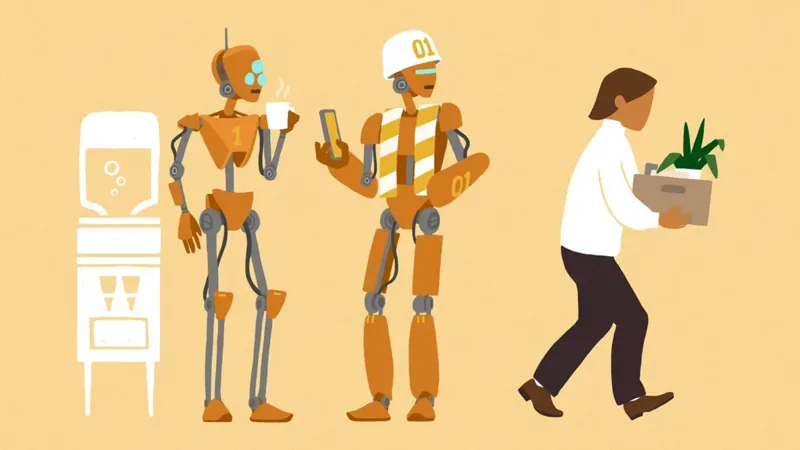
Artificial intelligence is changing the workplace faster than ever before, and experts believe millions of workers will have to adapt. According to the World Economic Forum's latest Future of Jobs report, 59% of the global workforce will need to either reskill or upskill by the end of this decade.
The report explains that AI is reshaping how businesses operate, from customer service and finance to healthcare, education, manufacturing, and technology. While AI is expected to improve productivity and create new career opportunities, it will also change or replace many existing job responsibilities.
Experts say this shift could become one of the biggest transformations in the global job market since the Industrial Revolution.
The WEF is encouraging workers to start developing skills that are expected to remain valuable in the AI era. These include digital literacy, problem-solving, creativity, communication, leadership, and the ability to work alongside AI tools.
Rather than replacing every job, AI is expected to automate repetitive tasks, allowing workers to focus on more complex and creative responsibilities.
The report also calls on governments, businesses, and educational institutions to invest heavily in training and retraining programs. Without proper support, millions of workers could struggle to keep up with changing workplace demands, increasing the risk of unemployment and widening skill gaps.
The WEF says preparing people for AI should become a national priority, similar to investing in roads, electricity, and other essential infrastructure.
As artificial intelligence continues to evolve, learning new skills will become increasingly important for workers around the world. Experts believe that individuals, companies, and governments must work together to ensure people are prepared for the jobs of the future rather than being left behind.