
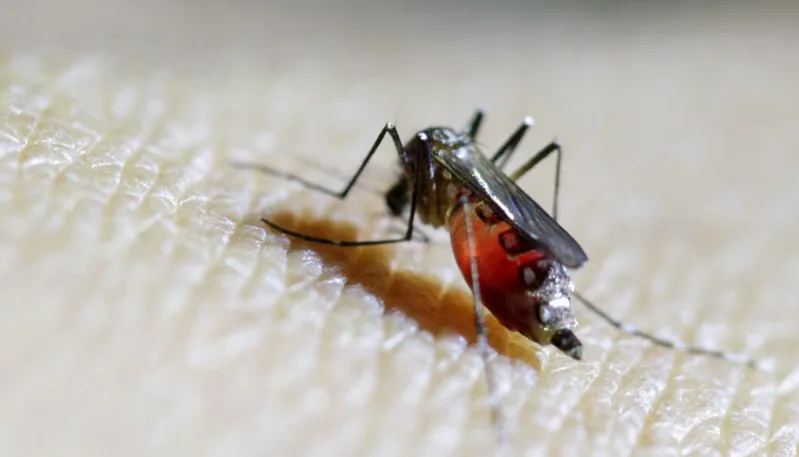
A wave of viral claims suggesting that “Google is releasing 32 million mosquitoes in Florida” has sparked confusion online — but the reality behind the project is far more scientific than sensational.
The initiative is actually being led by Verily, a life sciences company owned by Google’s parent firm Alphabet, as part of a large-scale mosquito control program designed to reduce the spread of dangerous diseases.
What Is Really Happening?
The program involves the release of millions of specially bred male mosquitoes across selected regions in Florida and California over the coming years.
However, these mosquitoes are not designed to bite humans or increase mosquito populations. Instead, they are part of a biological control method aimed at reducing disease-carrying insects in the wild.
How the Mosquito Plan Works
The released mosquitoes are all male and carry a naturally occurring bacterium called Wolbachia. When these males mate with wild female mosquitoes, the resulting eggs do not hatch.
Over time, this significantly reduces the mosquito population in targeted areas — without the use of chemical pesticides or widespread spraying.
Scientists say this approach offers a more environmentally friendly alternative to traditional mosquito control methods, especially in regions where mosquito-borne diseases remain a serious public health concern.
Why Florida Is a Key Test Site
Florida has long been vulnerable to mosquito-borne illnesses such as dengue, Zika, West Nile virus, and chikungunya.
Because of its climate and recurring outbreaks, the state has become one of the primary testing grounds for innovative mosquito-control technologies in the United States.
Why Google Is Involved
Although the project is often linked directly to Google, it is being developed under Alphabet’s biotech division, Verily.
The company is using advanced technology, including automated sorting systems and data modeling tools, to breed and release mosquitoes at scale while ensuring only non-biting males are deployed.
Viral Misinformation Sparks Confusion
Online posts framing the project as a mass “mosquito release by Google” have led to widespread misunderstanding and speculation.
In reality, experts emphasize that the goal is the opposite — to gradually eliminate mosquito populations capable of spreading disease, not to increase them.
The Bigger Picture
If successful, the program could mark a major breakthrough in biological pest control, potentially offering a safer and more sustainable way to combat mosquito-borne illnesses worldwide.
For now, scientists say the focus remains on testing, monitoring, and carefully measuring the long-term impact of the approach in real-world environments.