
Maybe you have never realized it, but you have met a thief who stole your money without your will. This thief doesn't hack your bank account, it hacks your brain.
Dark patterns are designed to trick your mind into buying what you don't even need. Ever noticed how you open a platform to buy one specific thing, but end up with a cart full of stuff you never planned on? The easy answer is that you didn't differentiate between your needs and wants. But your naivety isn't the only reason.
The villains running these e-commerce platforms trick you in ways that are nearly impossible to escape.
The graphics are designed to hijack your attention and force your finger to hit "Buy Now." The fake urgency timer screaming sale ends soon.
The hidden subscription checkbox that's already ticked. The "Only 2 left in stock!" alert that is simply not true.
The bold green "Order Now" button always front and center, while "Cancel Order" is buried somewhere in grey, in fine print, where no one looks.
And then there's the product that arrives looking nothing like what was shown in the ad. The delivery charges that cost more than the actual item. The fee that quietly increases the moment you select cash on delivery.
Why do brands do this? Because it works. They trigger your FOMO (fear of missing out) and they win, every single time. Even the 14-day return warranty often doesn't work, and that's not a coincidence. They don't want it to work.
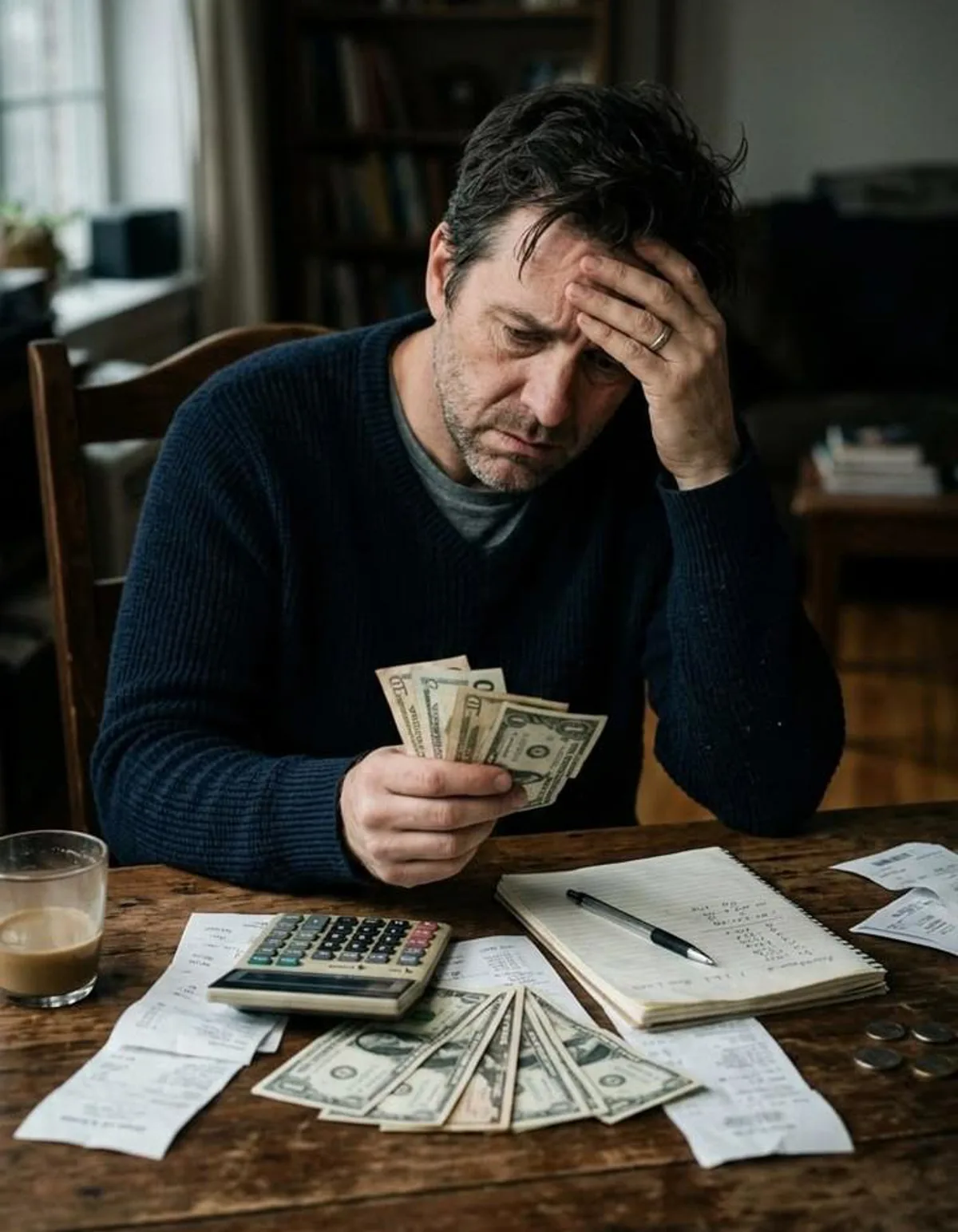
The real question is: is any of this even illegal? Unfortunately, mostly no. Attracting customers through clever graphics isn't a crime anywhere in the world. But there is a difference between being smart and being deceptive.
These platforms need to stop treating ethics like an optional feature. They should not only care about their money, but also about what the customer actually needs.