
Giving blood is one of the easiest ways to save lives. Hospitals need blood every day to treat accidents, surgeries, mothers in trouble during childbirth and people with diseases like cancer and blood disorders. Many hospitals, however, are still facing the problem of insufficient donors, as the number of voluntary donors is not always adequate to the needs of expanding hospitals. Conversely, Governments, health care providers, educational systems and NGOs are making greater efforts to encourage regular blood donations and more individuals to become voluntary blood donors.
The blood donation makes a difference in every way:
Donated blood is divided into various components such as red blood cells, plasma, platelets, and can help more than one patient. Depending on patients' needs, these components are used to treat various medical conditions. Blood is a product of nature and can only be made with the help of voluntary blood donors, health experts stress. Hospitals are ready to respond in an emergency or natural disasters that require rapid response because of regular donations.
Awareness Campaigns bring in further Volunteers:
These days, blood donation camps are organized by many schools, universities, companies and community organizations all year round. These campaigns help people to learn about blood donation safety and rectify the misconceptions. Doctors say that healthy adults can safely donate blood if supervised by medical personnel. Public awareness programmes also help in promoting the habit of regular blood donors among youth.
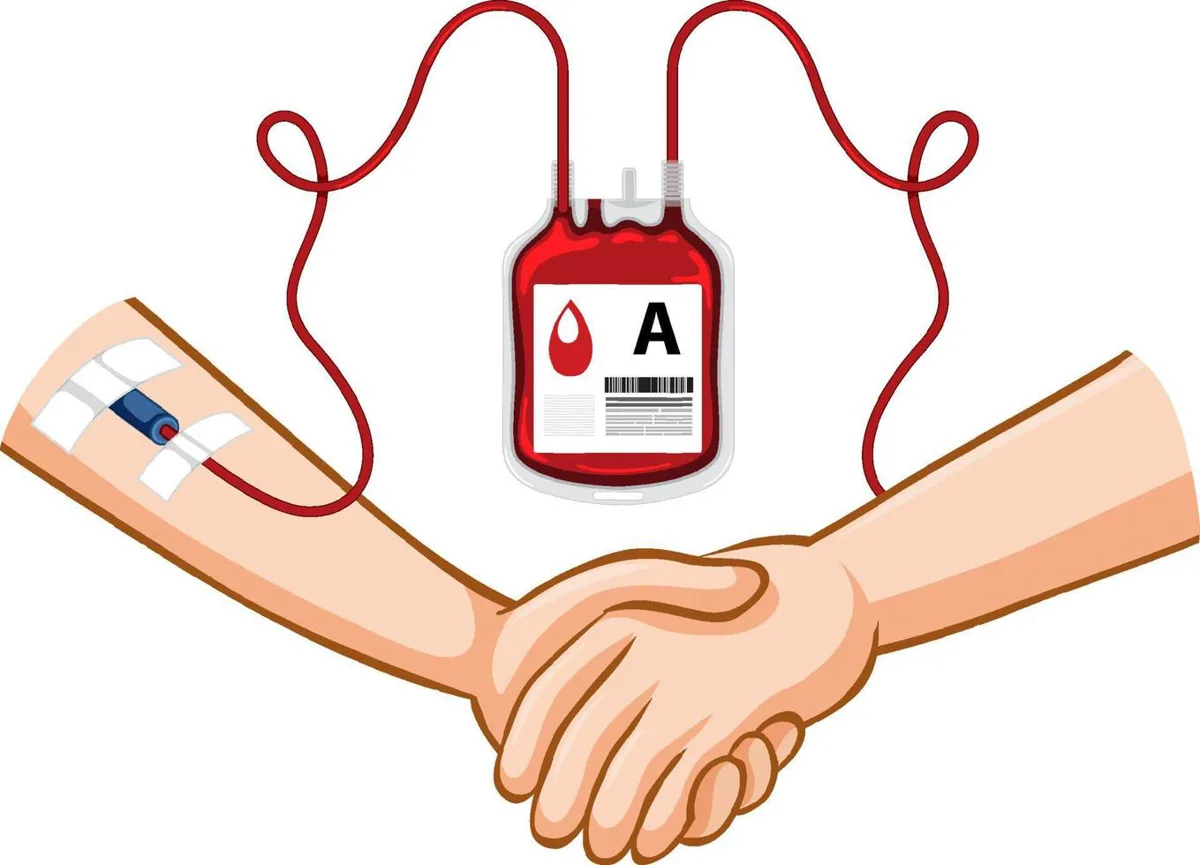
Facing challenges yet to be resolved:
Hesitation, misinformation, and lack of blood donation centers still cause blood shortages in some communities despite the growing awareness. It is more difficult to donate blood in rural areas. Increasing the number of mobile blood donation teams, educating the public and making the blood donation centers more accessible are among the recommendations from health experts. Good collaboration between hospital, government and volunteer groups is important to maintain a year-round blood supply.
A Social Responsibility Model:
Blood donation not only a medical necessity but also a social responsibility and a humanitarian act, which shows compassion. Each donation can save lives and provide hope for patients and their families. Communities can bolster healthcare systems and get ready for future crises by fostering voluntary giving and raising awareness.
One of the greatest acts of giving by any individual to another person is to donate blood. Awareness, better health care and more involvement by the general public will guarantee that hospitals will have blood when it is needed to save lives. Each donor is an essential component of a healthier, more caring and more resilient society.