
Fintech means Financial Technology. It is the use of new technology like mobile apps and computers to make money matters easier, faster, and cheaper for ordinary people. Instead of standing in long bank lines or filling lots of paperwork, you can send money, pay bills, take small loans, or buy insurance right from your phone.
Examples in Pakistan include EasyPaisa and JazzCash. Fintech companies remove middlemen, reduce costs, and help people who do not have easy access to traditional banks.

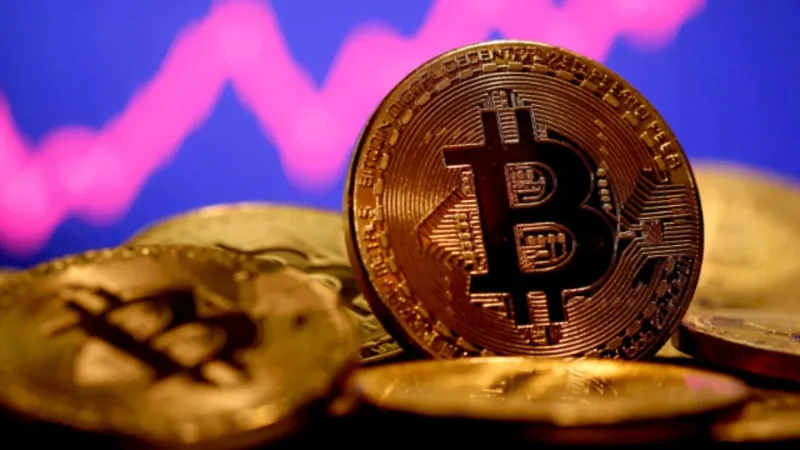
But fintech is just one piece of the puzzle. The bigger, more controversial player in this space is cryptocurrency and it works very differently. It is digital money that no government or central bank fully controls. Bitcoin and Ethereum are the most famous examples. It works on blockchain technology: a secure public digital record book copied on thousands of computers worldwide. When you send crypto, the transaction is checked by special computers (miners or validators), added to a block, and joined to the chain. It has a limited supply, which makes it feel special, but prices change very fast.
This is where the idea of decentralization comes in and it goes beyond just crypto. It moves control of money and finance from big governments and central banks to ordinary people and technology. In this system, blockchain and crypto let people manage their own money, give loans, or trade directly through apps without needing traditional banks every time. It gives more freedom, can reduce corruption, and allows anyone in the world to join easily.
However, it also creates challenges because there is no single boss in charge, so rules depend on computer code and community agreement.

Now the question most people actually care about: can you make money from all this? Some do. By buying low and selling high, holding long-term, or earning through staking, returns can be real. But so can the losses. Prices can crash suddenly, and you can lose everything quickly. Scams, fake projects, and hackers are common. If you invest money you need for daily life, it can become like gambling. Experts always advise: only use money you can afford to lose completely, and learn a lot before starting.
For most of its existence in Pakistan, crypto lived in legal limbo: neither fully allowed nor officially banned. The State Bank worried about money laundering, fraud, people sending money out illegally, and harm to the economy. Now in 2026, Pakistan has passed the Virtual Assets Act 2026.
This law created the Pakistan Virtual Assets Regulatory Authority (PVARA) to license and supervise crypto exchanges, wallets, and related businesses. Banks can now open accounts for licensed companies, but they cannot trade or hold crypto themselves. It moved from a near-ban to regulated status, though full licensing is still developing.
But a new law doesn't automatically mean a safe playing field. Many people still use foreign or unlicensed platforms, which can lead to account freezes by banks, legal trouble, or loss of money with no local help. Scams and fake investment schemes are very common: cheaters promise fast riches and then disappear.
Price swings are extreme, so sudden crashes can wipe out savings. There are also risks of hacking, money laundering accusations, and capital flight issues that worry the government. Tax on profits may apply, and without proper records, you could face penalties. Unlicensed activity still carries risks of fines or other enforcement.
Pakistan now stands in a transitioning phase. The government is trying to balance new technology opportunities with safety. They want to attract investment and create jobs in fintech while protecting people.
Many experts see real potential for young Pakistanis in this space, but only if Pakistan manages the balance well and users approach it with caution, not greed.