
In Pakistan, we use mobile banking apps or digital wallets easily to transfer payments, but all of them are private companies that allow us to use our phones for transactions, bill payments, or shopping. The real money behind these transactions is always moving among the physical branches of commercial banks, these apps only play the role of a middleman. This is not actual "digital money."
Among all of this comes the real digital money. Digital currency is just like physical currency (key word being like); just as paper money is printed by the State Bank of Pakistan, digital money is also issued by the State Bank, with no private company or commercial bank involved. Unlike mobile banking apps, these transactions can even take place without internet.
Now many people would think it's just another form of cryptocurrency like Bitcoin. But that's not true! Bitcoin isn't backed by any asset, whereas digital currency is backed by the real rupee (e.g., 100 digital rupees = Rs 100). Bitcoin also isn't regulated by any central authority, while digital currency is issued, backed, and regulated by the State Bank of Pakistan.
So what was the actual motive behind issuing a digital currency?
TO SAVE MONEY!
Pakistan spends more than Rs 28 billion each year on printing currency notes, transporting money, ATMs, security, and more. The digital rupee removes these expenses. Another key goal for the State Bank is financial inclusion; more than 10 million adults in Pakistan are excluded from the banking system. Digital money makes their inclusion easier by requiring only a mobile number and CNIC, with no bank account needed. It also offers faster and cheaper transactions; no more ATM fees, cheque clearance delays, or costly remittances. Just a QR code or phone number, and the payment is done.
But digital money isn't just currency, it's a footprint. The government can track all transactions, so while illegal transfers become harder, privacy can also be invaded. People without smartphones risk being left out entirely. The SBP designed a regulatory framework in 2024, but the details are still being finalized.
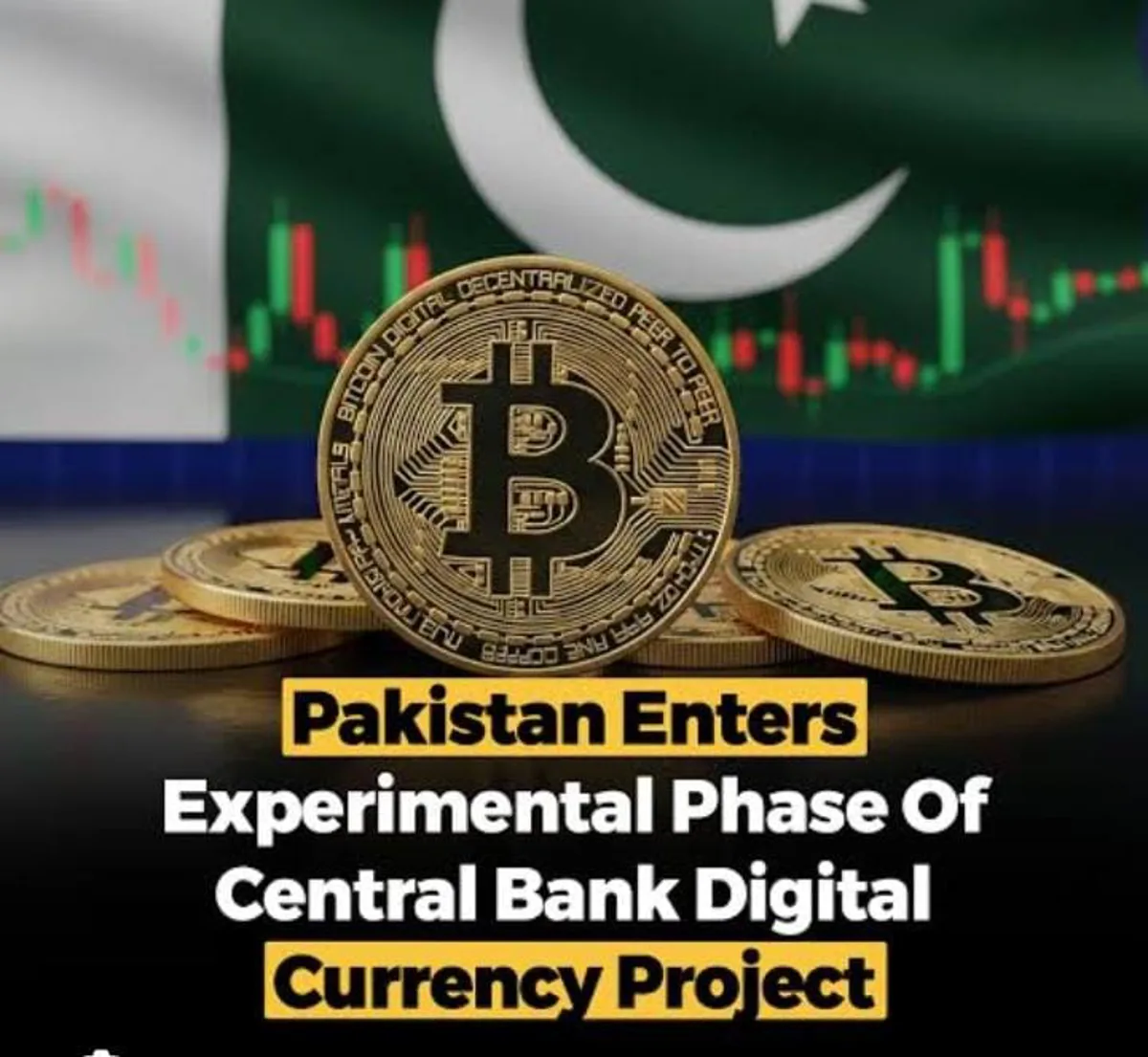
So when will this digital currency actually launch? Right now, the project is in its pilot testing phase, with the Japanese company Soramitsu helping the State Bank build it. It was originally expected to launch in June 2026, but no official updates have come out yet.
Digital money can bring efficiency, inclusion, and cost savings. In short, the digital rupee won't replace existing apps or paper money, it'll simply offer people the option of cash or digital. Or maybe, once people get introduced to it, they'll switch to CBDCs completely. Who knows?