
In Pakistan, a silent revolution is reshaping how money moves. Mobile wallets such as Easypaisa and JazzCash, along with bank apps and the government-backed Raast instant payment system, are driving the country toward a cashless future. Digital transactions now make up over 90% of retail payments in recent years, with millions of users sending money, paying bills, and shopping instantly.
Yet for many ordinary Pakistanis, this shift feels less like progress and more like exclusion.
The benefits of digital wallets are clear. They offer speed, convenience, and greater safety. A worker in Karachi can send money to his family in rural Punjab in seconds without visiting a bank.

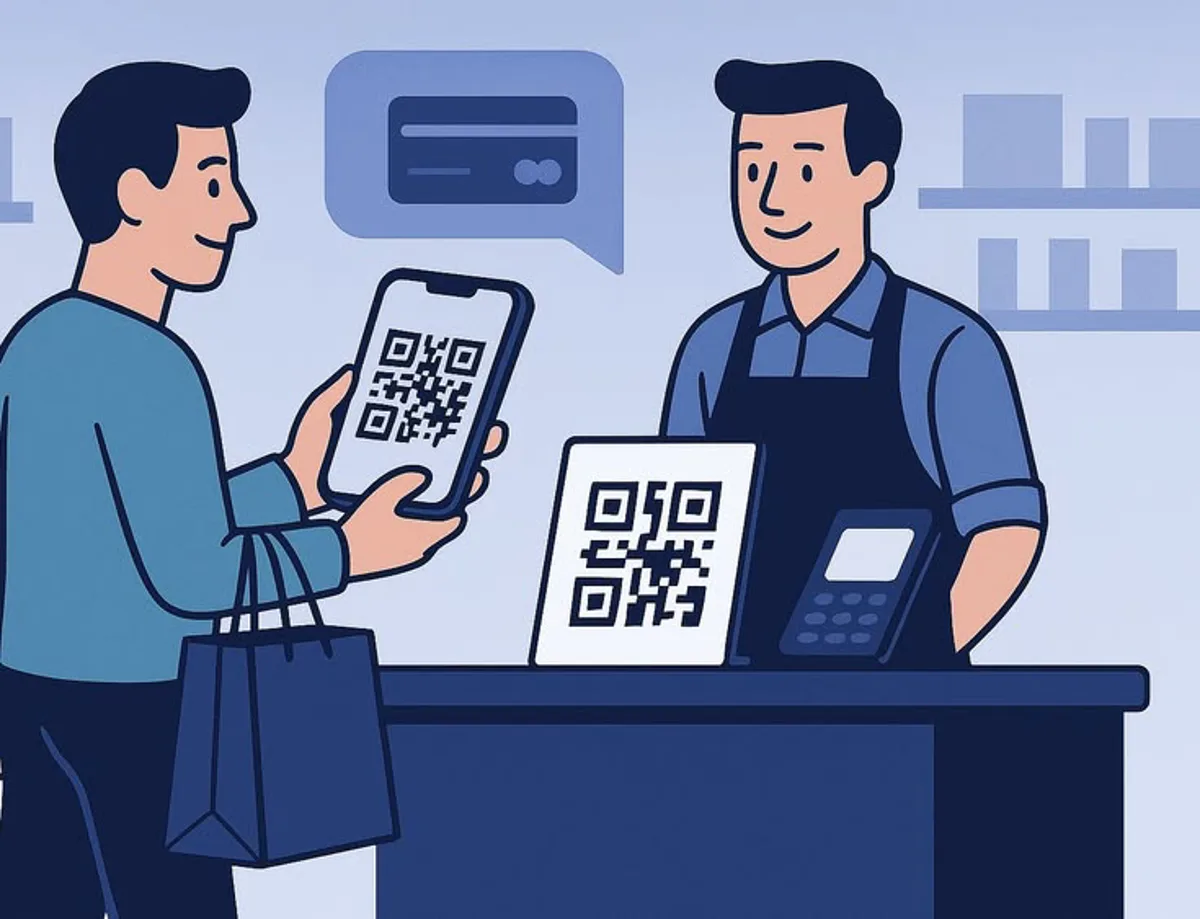
Small businesses can accept payments through QR codes, reducing the risks of carrying cash. According to recent reports, platforms like JazzCash have tens of millions of registered users, while Easypaisa has processed trillions of rupees in transactions.
These tools are helping bring millions into the formal financial system and supporting the State Bank of Pakistan’s goals for greater financial inclusion.
However, the reality on the ground tells a more complicated story. Visit any local market or village and you will still find tea stall owners, vegetable sellers, and small shopkeepers who rely only on cash.
An elderly woman in a remote area of Sindh or Balochistan often has no smartphone, no internet, and limited digital literacy. For her, apps that work perfectly in cities become useless barriers.
Rural areas still face poor connectivity, and many people fear hidden fees, fraud, or simply do not trust technology with their hard-earned money.
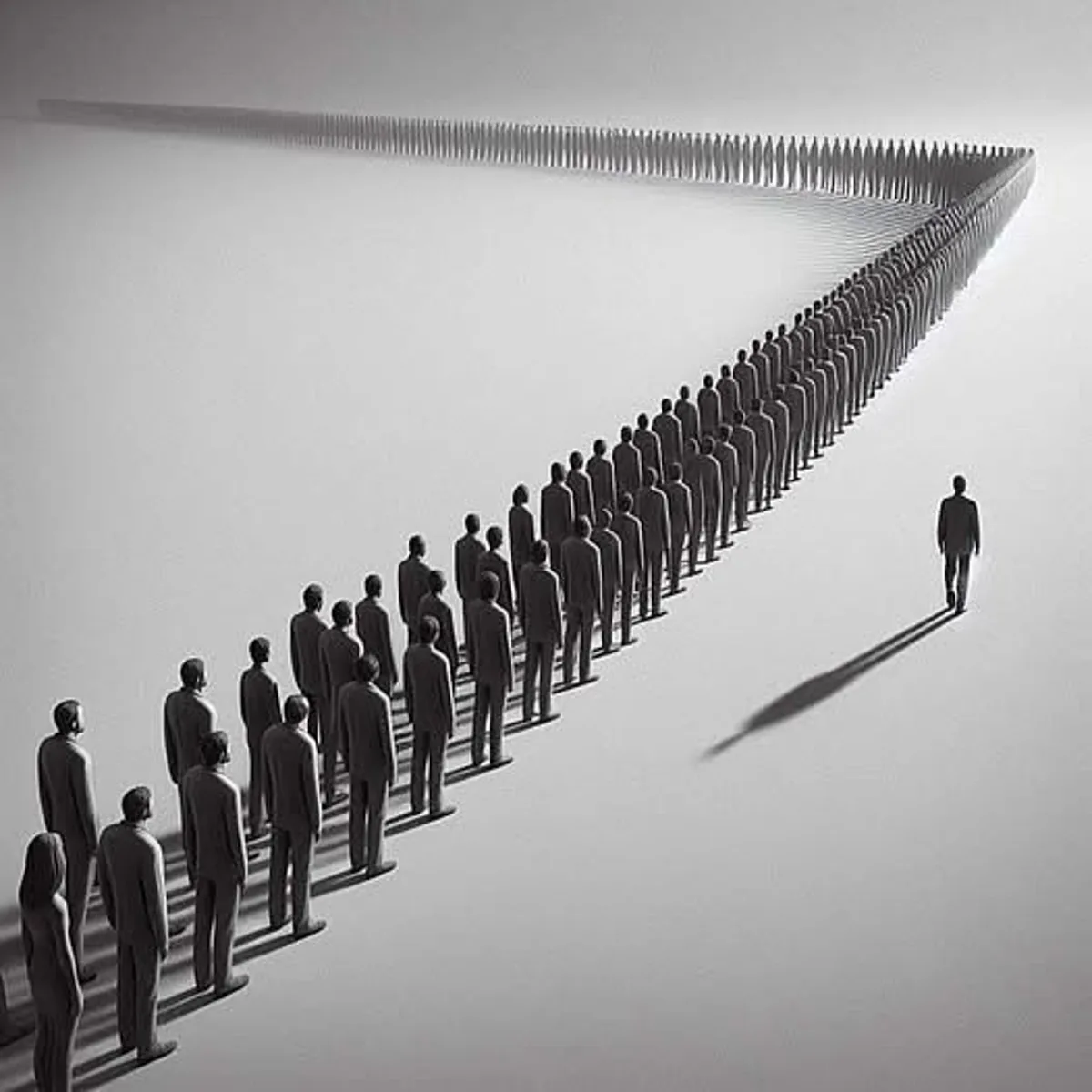
This growing “digital divide” risks creating a two-tier financial system: one for the smartphone-owning urban population and another for the millions left behind. Experts warn that rapid push toward cashless without proper support can widen inequality, especially for women, the elderly (over 15 million in Pakistan), and low-income communities.
The solution is not to slow down digital growth but to make it truly inclusive. The government, banks, and fintech companies must invest heavily in digital literacy programs in local languages, improve offline payment options, expand agent networks in rural areas, and keep cash accepted alongside digital tools for the foreseeable future. Initiatives like Karandaaz Pakistan’s offline payments challenge show promising steps in this direction.
Pakistan stands at a crossroads. Digital wallets have the power to modernize the economy and reduce corruption, but only if no one is left standing outside the system. True success will be measured not by transaction numbers alone, but by whether the tea stall owner, the village grandmother, and the urban professional can all participate equally in the country’s financial future.