
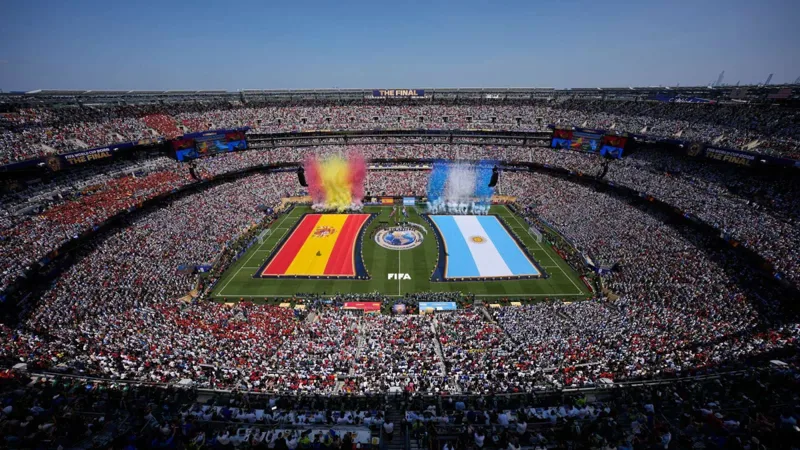
The FIFA World Cup Final has always been celebrated for its unforgettable football moments, but the 2026 edition introduced an entirely new tradition. Held at New York New Jersey Stadium before a global audience of billions, FIFA staged its first-ever official halftime show, drawing inspiration from the Super Bowl while creating a unique celebration of football, music, and culture. Curated by Coldplay frontman Chris Martin, the performance brought together some of the world's biggest music stars, including BTS, Shakira, Justin Bieber, Madonna, and Burna Boy. The show not only entertained fans but also promoted the FIFA Global Citizen Education Fund, which aims to expand access to education and football opportunities for children worldwide.
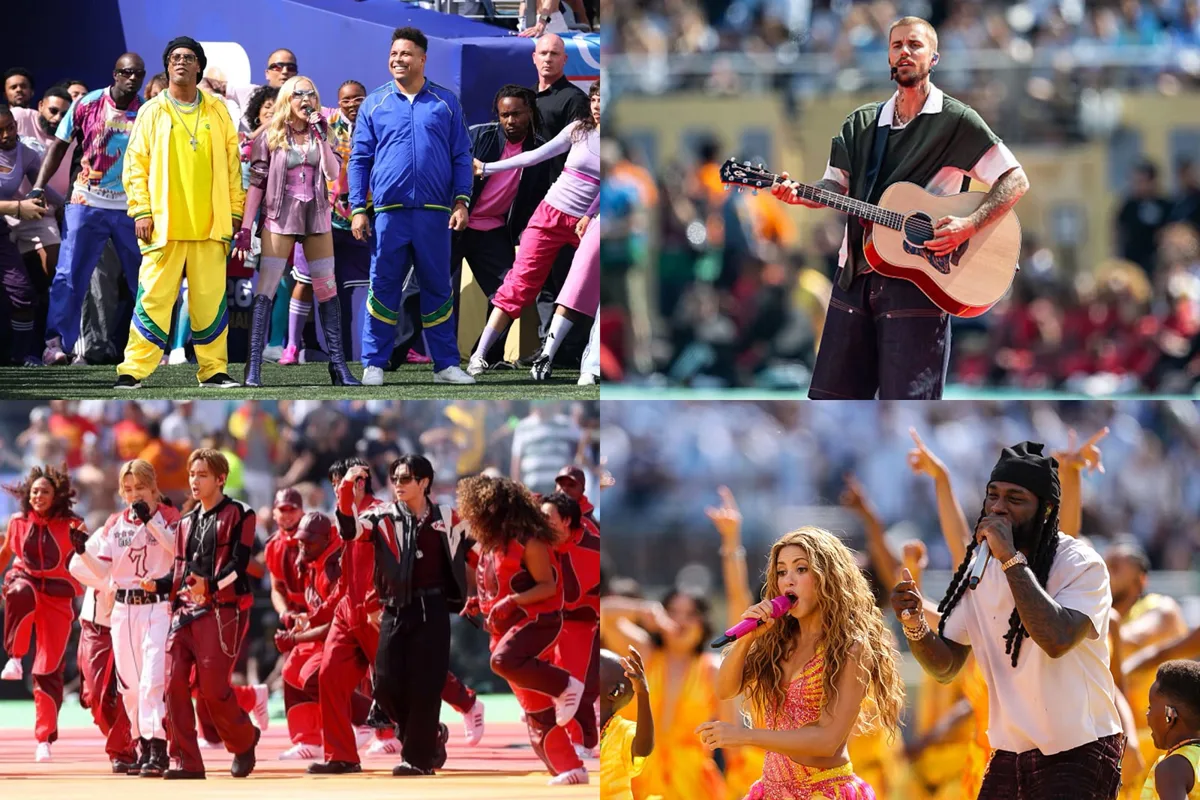
The historic halftime show lasted approximately eleven minutes and featured a carefully choreographed sequence of performances that blended pop, Latin music, K-pop, Afro beats, and orchestral elements. Madonna opened the show with her iconic hit "Music," setting the tone for an energetic and visually stunning production. The performance combined elaborate stage effects, dancers, and immersive lighting that transformed the football pitch into a concert stage.
K-pop superstars BTS followed with a performance of "Dynamite," drawing one of the loudest reactions from the crowd. Their synchronized choreography and energetic stage presence demonstrated why the group continues to enjoy worldwide popularity. Fans across social media praised their appearance, with clips from the performance quickly becoming some of the most shared moments of the evening.
Justin Bieber then slowed the pace with an acoustic rendition of "Everything Hallelujah," delivering a heartfelt performance that contrasted with the high-energy opening acts. His appearance marked one of his most significant live performances in recent years and received praise for its emotional delivery.
Shakira, joined by Nigerian artist Burna Boy, performed the official tournament anthem "Dai Dai," celebrating football's ability to unite cultures across continents. Their collaboration combined Latin rhythms with Afrobeats, reflecting the international spirit of the FIFA World Cup. The performance was accompanied by vibrant choreography and colorful visual effects that highlighted the diversity of the tournament.
The show also featured conductor Gustavo Dudamel leading an orchestra alongside the PS22 Chorus, while appearances by characters from Sesame Street and The Muppets added a family-friendly element to the celebration. Coldplay's Chris Martin joined the finale as performers united for a closing performance emphasizing themes of hope, unity, and global friendship.
Entertainment critics described the halftime show as one of the defining moments of the tournament, noting that FIFA had successfully expanded the World Cup experience beyond football. Many observers believe the success of the inaugural halftime show could establish it as a permanent feature of future FIFA World Cup finals.
Beyond its impressive performances, the event promoted social impact through the FIFA Global Citizen Education Fund, demonstrating how sport and music can unite audiences around the world. As the tournament concluded, the halftime show emerged as one of the most memorable highlights of the 2026 FIFA World Cup and may become a lasting tradition in future editions.