
The evolving U.S.-China dynamic (2013-2020) shaped Pakistan’s strategic environment within an emerging multipolar world order and to identify economic and diplomatic decisions taken to safeguard Pakistan’s strategic choices amid evolving U.S.–China relations its national interest. In the context of global power rivalry, developing states such as Pakistan face structural vulnerabilities as they rely on external powers for economic development and growth.
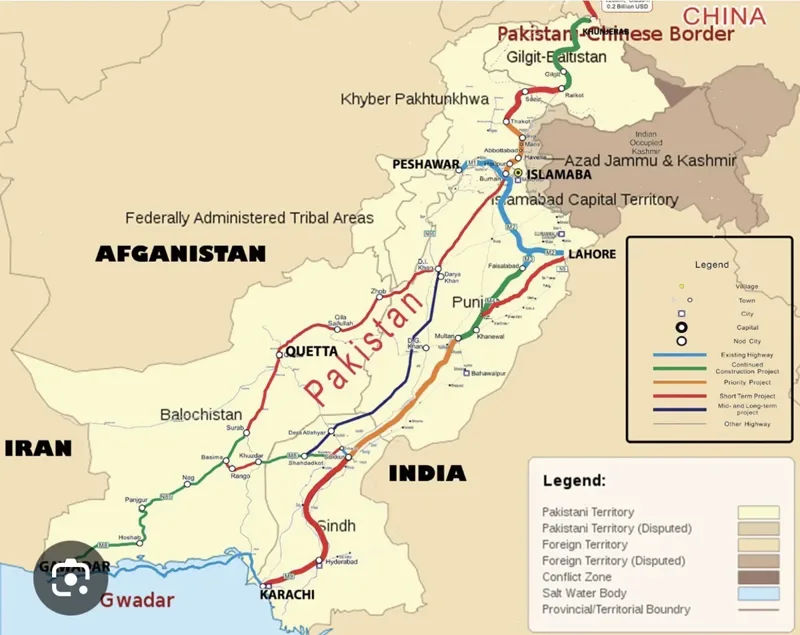
Therefore, U.S.-China relations have serious strategic implications for Pakistan as it places Pakistan in a strategic dilemma: balancing diplomatic and strategic ties with China while maintaining a stable and cooperative relationship with the United States. Between 2013-2020. China expanded its economic influence in Pakistan through initiatives such as the China-
Pakistan Economic Corridor (CPEC), while Pakistan continued to rely heavily on the United States for trade, aid, and security cooperation. In response, Pakistan pursued domestic economic reforms and greater strategic autonomy to reduce over-reliance on either major power.
This study applies Realism framework to demonstrate how Pakistan interpreted international pressures during this period through internal constraints, thereby shaping its economic and strategic choices. This study examines Pakistan’s responses during this period as strategic
adjustments to shifts in the international system, particularly changes in U.S.-China relations that restructured Pakistan’s external environment between 2013 and 2020.Realism provides an appropriate framework as it emphasizes state behaviour under anarchy, where survival and national interest guide policy choices. The analysis highlights how Pakistan’s foreign policy during this period was shaped by structural pressures within an anarchic international system, with its economic and strategic decisions reflecting ongoing efforts to manage external constraints and and opportunities.