
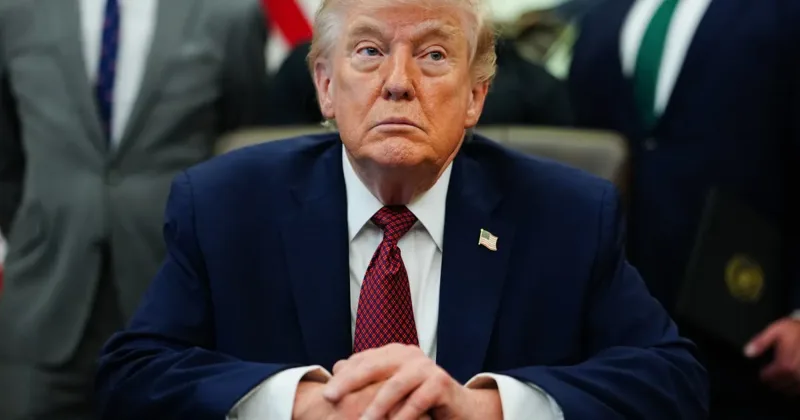
New attacks on Iranian targets have raised fears of another period of prolonged instability. At the same time, US officials have stated that negotiations with Iran have not been abandoned, even though President Donald Trump declared that the previous ceasefire had ended. These mixed signals demonstrate how difficult it has become to balance national security interests with the need for peaceful dialogue.
The latest military strikes have further increased tensions between Iran, the United States, and Israel. Although the exact impact of the attacks is still being assessed, possibilities that the conflict could expand and involve more countries in the region have emerged. Every new military action increases uncertainty and makes it more challenging to rebuild trust between the parties involved. Despite the ongoing violence, diplomacy has not completely disappeared. Officials have continued to express support for negotiations as a way to reduce tensions. Keeping communication open during times of conflict is often considered essential because it creates opportunities to prevent misunderstandings and reduce the risk of further escalation. Successful negotiations require commitment from all sides, which remains a major challenge in the current political climate.
The Middle East is home to important energy resources and international shipping routes, including the Strait of Hormuz, through which a significant portion of the world's oil supply passes. Any disruption in this area can influence global oil prices, transportation costs, and economic stability. As a result, governments and international organizations continue to monitor the situation closely. Not just in geopolitics but the humanitarian consequences are also important to consider. These ongoing military operations has placed civilians at greater risk creating uncertainty for families living in affected areas. In such situations, the ordinary people often experience the greatest hardships despite having no direct role in the conflict.
Despite these crises, Trump has again threatened Iran that USA will keep on attacking as Iran is it's biggest concern when it comes to nuclear power. Iran lies at a very important place geopolitically, which makes it important for America to capture so it can further strengthen it's position in Middle East and Asia. Also Iran is apparently a major threat for Israel which pushes America to continue it's military operations.
The latest developments show that the relationship between military action and diplomacy remains extremely complex. While fresh attacks have increased fears of a broader conflict, the possibility of continued negotiations provides a small but meaningful opportunity for de-escalation. The coming weeks will be critical in determining whether dialogue can replace confrontation.