
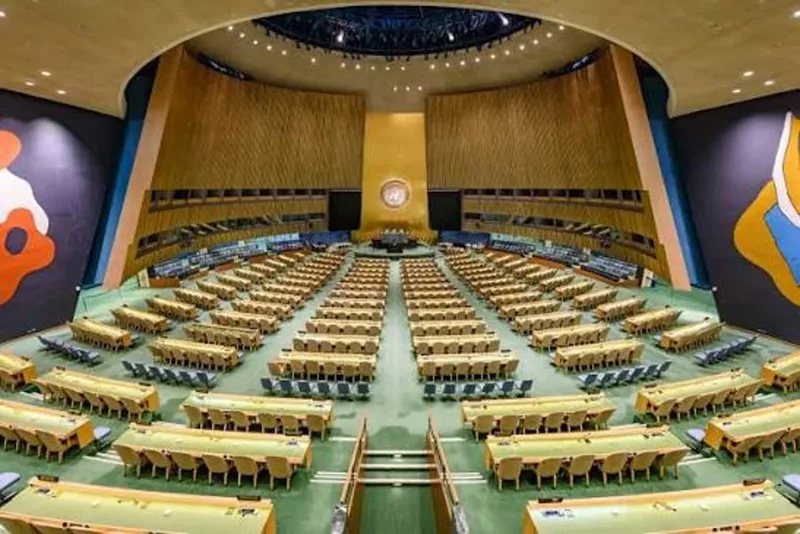
World leaders are gathering in New York for a week of diplomacy that will put war, artificial intelligence and climate pressures before the United Nations. The main General Assembly debate begins on Tuesday, September 22, but meetings on Monday are already setting out competing priorities for how international cooperation should work.
The 81st session itself opened on September 8. The distinction matters: the high-profile speeches are one part of a much longer assembly session, not the start and finish of the UN’s annual work. The assembly president’s official calendar lists general-debate sessions on September 22–26 and September 28, alongside dedicated meetings on particular global challenges.
What is happening before the main speeches
The European Council’s agenda lists a September 21 summit convened by its president, António Costa, together with Canada and Kenya, focused on multilateralism, international law, peace and prosperity. Costa is scheduled to address the assembly on the EU’s behalf on September 24.
The EU’s published priorities include reforming the UN, strengthening its peace and security work and advancing sustainable development. Those are stated negotiating priorities, rather than an agreement already accepted by every country attending. A side meeting can create a coalition or begin a negotiation without producing a binding international commitment.
The dates behind this week’s headlines
The UN’s high-level-week programme identifies several meetings worth distinguishing from the general debate. September 23 includes an event on climate action and a just transition, as well as a meeting marking 40 years of the Declaration on the Right to Development.
On September 24, leaders will meet on threats posed by sea-level rise. September 25 brings a meeting on pandemic prevention, preparedness and response, intended to culminate in a political declaration. September 28 includes the commemoration of the Durban Declaration and Programme of Action against racism.
Each forum has its own purpose. A speech setting out a government’s position, a negotiated declaration and a financial commitment are different products. Coverage that groups them all under “UN agreement” can obscure what countries have actually decided and what remains an aspiration.
Why the diplomatic pressure is unusually broad
The Associated Press’s preview describes leaders arriving amid multiple wars, concern about rapidly developing AI and worsening climate shocks. It also highlights financial strains on the organization and pressure for institutional reform as Secretary-General António Guterres approaches the end of his term.
These issues interact without sharing a single solution. An AI discussion may concern international oversight; a humanitarian meeting may seek immediate access and funding; climate negotiations may focus on changes extending over years. Progress in one room should not be mistaken for a settlement of the other disputes dominating the week.
What the General Assembly can actually do
The UN’s explanation of the assembly’s role describes a forum in which each of its 193 member states has one vote. Its responsibilities include approving the UN budget, electing non-permanent Security Council members and appointing the secretary-general on the Security Council’s recommendation.
The assembly also discusses international issues and makes recommendations within its powers. That gives it political and institutional importance, but a national leader’s statement from the podium does not itself become a rule binding all other governments. The text adopted, the body adopting it and any subsequent implementation all matter.
Much of the detailed work continues through committees and negotiations after the most televised speeches. The visibility of high-level week can bring attention to a proposal, while the less visible process determines its wording, support and practical follow-through.
How to judge a claimed breakthrough
A useful first check is to identify the document. Has a proposal been announced, has a draft been circulated, or has a final text been adopted? Those stages can sound similar in a short video clip but carry different weight. The official calendar and meeting records provide a way to follow the sequence.
For a funding announcement, the next questions are who has committed the money, over what period, through which institution and for which activities. For a political declaration, look for named responsibilities and a process for reviewing progress. Specific promises can be assessed more clearly than broad expressions of support.
The UN programme points viewers to live coverage through UN Web TV. Full statements and official readouts will be more useful than isolated quotations for understanding changes in national positions. The strongest measure of this week will be the commitments that survive beyond the speeches and acquire a credible path to implementation.